
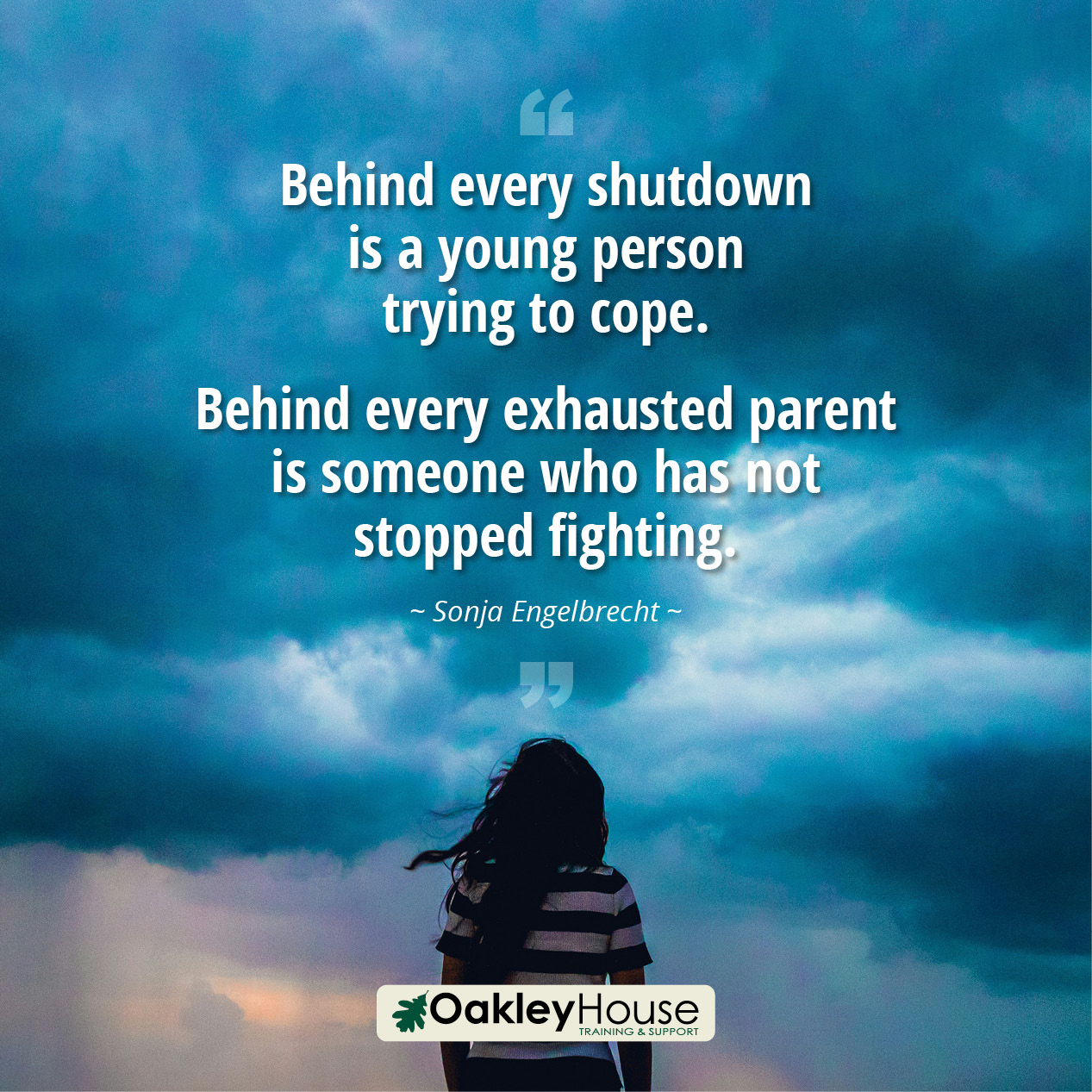
In my work with neurodivergent children, adolescents, and the families who support them, I often meet young people who are doing everything they can to cope, until suddenly, they can’t.
The article “Navigating PDA in Teens” published in Autism Parenting Magazine (Issue 188) captures these challenges with painful honesty. It describes how rising academic demands, social complexity, hormonal shifts, and masking fatigue can converge into a perfect storm for adolescents with a PDA profile.
Reading it prompted me to reflect on these realities, drawing on current research and offering practice-based insights from the frontline of inclusive education.
Why Adolescence Can Intensify PDA
Adolescence brings sweeping neurological, hormonal, and social change. For young people with a PDA profile, these developmental transitions often magnify anxiety and a sense of threat around everyday expectations.
Secondary schooling typically introduces multiple teachers and classrooms, rigid timetables, heavier academic loads, subtle peer hierarchies, and increasing pressure for independence.
When a nervous system is already hyper-alert to loss of control, these cumulative demands can quickly become intolerable.
What Research Tells Us
Contemporary research increasingly conceptualises PDA as a profile within autism characterised by extreme anxiety-driven avoidance rather than deliberate non-compliance (Green et al., 2018; O’Nions et al., 2016).
Studies on autistic camouflaging and burnout further illuminate why adolescence can be such a tipping point. Prolonged masking, chronic stress, and unmet support needs are linked to emotional exhaustion, shutdown, and loss of functioning (Hull et al., 2017; Raymaker et al., 2020).
Guidance from the National Institute for Health and Care Excellence (NICE) (2022) reinforces the importance of personalised, flexible, and relational approaches for autistic young people with complex presentations, principles that align closely with PDA-informed practice.
What I See in Practice
Across schools and family systems, I repeatedly observe a similar pattern during early adolescence.
Learners who once managed classroom expectations may suddenly stop attending school, lose verbal communication under stress, experience frequent meltdowns or shutdowns, rigidly attempt to control their environments, withdraw socially, and show signs of burnout or depression.
Parents often describe living in constant vigilance, monitoring safety, questioning medication changes, negotiating reduced timetables, and navigating heartbreaking decisions about mental-health interventions.
What is frequently labelled as regression is, in reality, a nervous system overwhelmed beyond capacity.
The most powerful shift occurs when adults stop asking, “How do we make this young person comply?” and begin asking, “How do we restore safety?”
Practical Takeaways for Supporting PDA Adolescents
PDA-informed, neuro-affirming approaches focus on reducing threat rather than increasing control.
In schools and homes, this may include lowering perceived demands, offering genuine choices, using indirect and invitational language, and prioritising regulation over productivity. It also means protecting relationships first, allowing time for recovery during burnout, building flexible learning pathways, and working collaboratively with the young person.
Progress is rarely linear. But when systems calm, trust grows and capacity slowly returns.
In Closing
Adolescence can be brutal for young people with PDA, as well as for the families walking beside them. But distress behaviours are not moral failures; they are communication from a nervous system in survival mode.
In this Neurodiversity in Practice series, I will continue exploring what research tells us, what families experience, and how schools and professionals can build environments that prioritise safety, dignity, and long-term wellbeing.
And behind every meaningful change is a system willing to slow down, listen, and adapt.
Further Reading & References
Autism Parenting Magazine (2025) Navigating PDA in Teens. Issue 188.
Green, J. et al. (2018) ‘Pathological demand avoidance: Symptoms but not a syndrome’, The Lancet Child & Adolescent Health, 2(6), pp. 455-464. https://doi.org/10.1016/S2352-4642(18)30051-0
Hull, L. et al. (2017) ‘“Putting on my best normal”: Social camouflaging in adults with autism spectrum conditions’, Journal of Autism and Developmental Disorders, 47(8), pp. 2519–2534. https://doi.org/10.1007/s10803-017-3166-5
NICE (2022) Autism spectrum disorder in under 19s: support and management (CG170). Available at: https://www.nice.org.uk/guidance/cg170
O’Nions, E. et al. (2016) ‘Development of the Extreme Demand Avoidance Questionnaire (EDA-Q)’, Journal of Child Psychology and Psychiatry, 57(10), pp. 1093–1103. https://doi.org/10.1111/jcpp.12550
Raymaker, D.M. et al. (2020) ‘Having all of your internal resources exhausted beyond measure and being left with no clean-up crew: Defining autistic burnout’, Autism in Adulthood, 2(2), pp. 132–143. https://doi.org/10.1089/aut.2019.0079


